When Care Can’t Wait: How Urgent Care Clinics Fit Into Everyday Health Decisions
Why Urgent Care Has Become a Go-To Option
Health issues rarely show up at convenient times. A sudden fever, a minor injury, or a lingering cough can disrupt your day and leave you wondering where to go. For many people, urgent care clinics have become a practical middle ground between waiting for a primary care appointment and heading to the emergency room.
These clinics are designed to handle non-life-threatening conditions that still need prompt attention. They offer extended hours, walk-in availability, and a range of services that cover common medical concerns. This combination makes them especially useful for busy individuals and families.
Over time, urgent care has grown from a niche service into a widely recognized part of the healthcare system. It reflects a shift in how people approach care, prioritizing accessibility and convenience without sacrificing quality.
How Urgent Care Differs From Emergency Services
It is easy to confuse urgent care with emergency care, but the difference is important. Emergency rooms are equipped to handle severe, life-threatening situations such as heart attacks, strokes, or major trauma. Urgent care clinics, on the other hand, focus on conditions that require attention but are not critical.
This distinction helps reduce strain on emergency departments. When patients choose the appropriate level of care, it allows hospitals to focus on the most serious cases. At the same time, patients benefit from shorter wait times and a more streamlined experience.
Understanding when to choose each option can make a stressful situation easier to manage. It also helps ensure that you receive the right level of care for your specific needs.
Common Conditions Treated in Urgent Care Clinics
Urgent care clinics are equipped to handle a wide variety of everyday health issues. These include illnesses like colds, flu, and infections, as well as minor injuries such as sprains, cuts, and burns. Having access to this level of care can make a big difference when symptoms appear suddenly.
Many clinics also offer diagnostic services. Basic lab tests, X-rays, and physical exams can often be done on site, which speeds up the process of getting answers. This immediate access to information helps guide treatment decisions.
Read More: Giving More Than Blood: How Plasma Donation Makes A Real Difference
In addition to treatment, urgent care clinics often provide preventive services. Vaccinations, screenings, and routine checkups may be available, making them a convenient option for maintaining overall health.
Situations That Call for Immediate Attention
Some symptoms should not be ignored, even if they are not life threatening. Persistent pain, high fever, or worsening symptoms are all reasons to seek care quickly. Waiting too long can sometimes lead to complications.
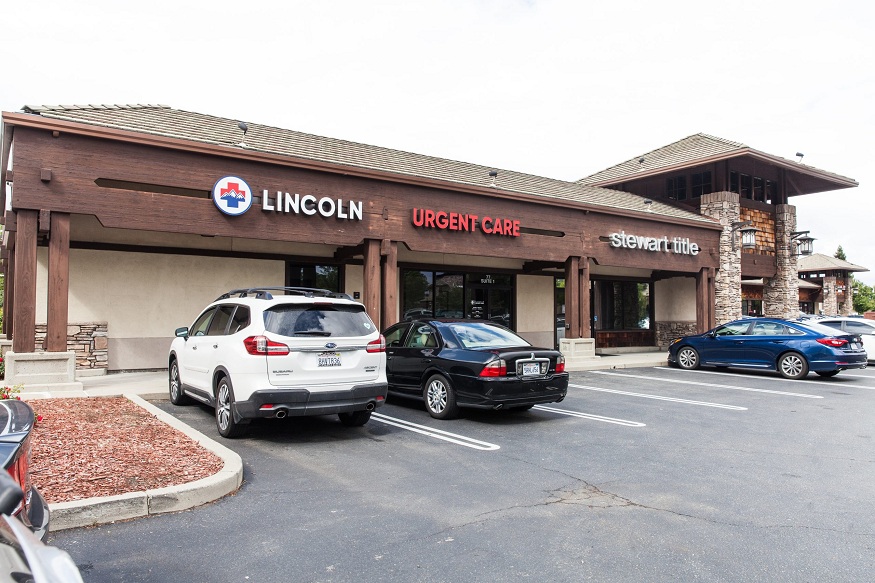
In these situations, an urgent care clinic in Lincoln, NE can provide timely evaluation and treatment. The ability to walk in without an appointment makes it easier to act when something feels off. This responsiveness is one of the key benefits of urgent care.
Knowing when to seek help is an important part of managing your health. It allows you to address issues early and avoid unnecessary discomfort or risk.
What to Expect During a Visit
Walking into an urgent care clinic is usually a straightforward process. After checking in, patients are typically seen on a first-come, first-served basis, though some clinics offer online check-in options. This flexibility helps reduce wait times and improve the overall experience.
Once you are called in, a healthcare provider will review your symptoms, medical history, and any relevant details. This conversation is an important step in understanding what is going on. It also helps guide the next steps in care.
Treatment may involve medication, minor procedures, or further testing. In most cases, patients leave with clear instructions on how to manage their condition at home. This clarity helps reduce uncertainty and supports recovery.
The Role of Technology in Modern Clinics
Technology has played a major role in improving urgent care services. Electronic health records allow providers to access and update patient information quickly. This improves accuracy and coordination of care.
Some clinics also offer telehealth options. This allows patients to consult with a provider remotely for certain conditions. While not suitable for every situation, it adds another layer of convenience.
These advancements make urgent care more efficient and accessible. They also contribute to a smoother patient experience from start to finish.
Balancing Convenience and Quality of Care
One of the main advantages of urgent care is convenience. Extended hours and walk-in availability make it easier to fit care into a busy schedule. This is especially helpful for people who cannot easily take time off during standard office hours.
At the same time, quality of care remains a priority. Urgent care clinics are staffed by trained healthcare professionals who follow established medical guidelines. This ensures that patients receive appropriate and effective treatment.
Read More: More Than A Donation: How Plasma Helps Advance Modern Medicine
Balancing these two factors is what makes urgent care such a valuable option. It offers a practical solution without compromising on standards.
Building Trust With Healthcare Providers
Trust plays a key role in any healthcare experience. Patients want to feel confident that they are receiving reliable advice and treatment. Urgent care clinics work to build this trust through clear communication and consistent care.
Follow-up recommendations are often part of the process. Patients may be advised to see a primary care provider or specialist if needed. This helps ensure continuity of care and supports long-term health.
Over time, positive experiences can make urgent care a trusted resource. It becomes a place people turn to when they need help quickly and efficiently.
Cost Considerations and Accessibility
Cost is an important factor when choosing where to seek care. Urgent care clinics are generally more affordable than emergency rooms for non-critical issues. This makes them an attractive option for many patients.
Insurance coverage often includes urgent care visits, though details can vary. For those without insurance, many clinics offer transparent pricing. This helps patients understand costs upfront and avoid surprises.
Accessibility is another key advantage. With multiple locations and flexible hours, urgent care clinics are designed to be easy to reach. This reduces barriers to care and encourages timely treatment.
Making Informed Decisions About Care
Choosing the right healthcare option involves weighing several factors. Severity of symptoms, cost, and convenience all play a role. Having a clear understanding of these elements can make decision-making easier.
It is also helpful to be prepared. Knowing where the nearest clinic is and what services it offers can save time in urgent situations. This preparation can make a stressful moment more manageable.
Being informed empowers patients to take control of their health. It leads to better outcomes and a more positive experience overall.
How Urgent Care Fits Into Long-Term Health Management
Urgent care is not meant to replace primary care, but it plays an important supporting role. It fills the gaps when immediate attention is needed and regular appointments are not available. This flexibility helps keep health concerns from escalating.
For ongoing conditions, primary care providers remain essential. They offer continuity and a deeper understanding of a patient’s history. Urgent care complements this by providing quick access when unexpected issues arise.
Together, these services create a more balanced approach to healthcare. They ensure that patients have options for both routine and urgent needs.
Creating a Practical Approach to Everyday Health
Managing health is not always straightforward. Life is unpredictable, and needs can change quickly. Having access to reliable care options makes it easier to adapt.
Urgent care clinics provide that flexibility. They offer a way to address concerns without delay, helping people stay on track with their overall health. This practical approach supports both short-term needs and long-term well-being.
In the end, healthcare is about making choices that work for your life. Urgent care adds another option to that decision-making process, making it easier to respond when care cannot wait.