How A Pasadena Rehab Center Can Transform Lives
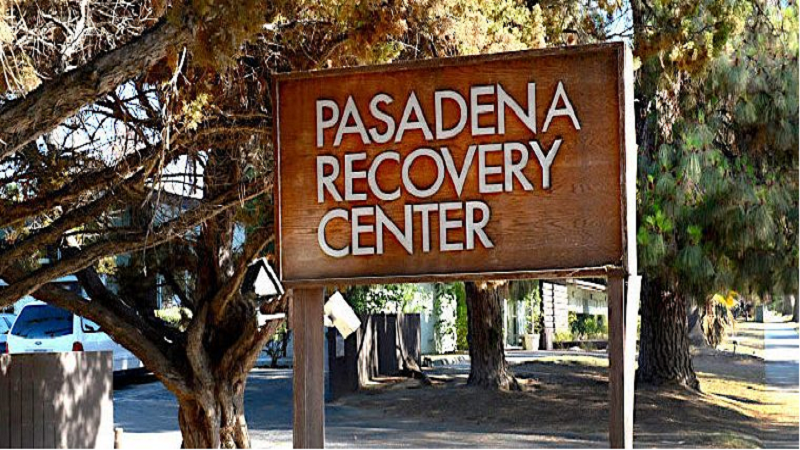
A Pasadena rehab center develops personalized treatment plans that significantly enhance recovery outcomes by addressing each client’s individual needs and circumstances.
Compassionate care plays a crucial role in rehabilitation; it builds trust and encourages clients to embrace their recovery journey, supported by dedicated professionals.
Various contemporary therapies, including Cognitive Behavioral Therapy and expressive arts therapies, are available at Pasadena rehab centers, targeting multiple aspects of addiction.
Additionally, holistic approaches such as yoga, meditation, and nutritional counseling are integrated into treatment plans to foster overall well-being alongside addiction recovery.
The admission process at a Pasadena rehab center focuses on being supportive and tailored, establishing a trusting relationship between clients and their caregivers from the beginning.
Post-treatment support is vital for sustained recovery. Comprehensive aftercare plans provide clients with essential resources for continued counseling, relapse prevention strategies, and life rebuilding efforts.
Real-life success stories from clients showcase powerful transformations through rehabilitation—renewed relationships, career successes, and a boosted sense of self-worth are just a few outcomes.
Discovering the Unique Benefits of a Pasadena Rehab Center
Tailored Treatment Plans That Fit Individual Needs
Every individual’s recovery journey is distinct. A Pasadena rehab center recognizes this individuality and creates customized treatment plans focused on achieving lasting change. Research indicates that tailored approaches can significantly improve outcomes. Clients often experience therapies that are both effective and resonate with their unique struggles and backgrounds.
Read More: The Urgent Need For Plasma: Why Your Donation Matters Now
Professionals consistently argue that one-size-fits-all strategies overlook the complexities of addiction. Standard treatment approaches may fail to meet the full spectrum of individual needs. Crafting a plan that reflects the individual encompasses more than just clinical protocols; it embraces each person’s history, background, and preferences. These aspects include:
- The client’s substance use history.
- Co-occurring mental health disorders.
- Personal motivation and readiness for change.
Experts suggest a collaborative approach where clients actively participate in creating their recovery path. Such engagement not only engenders trust but heightens commitment to the healing process. When clients feel recognized and understood, transformational changes often follow.
Compassionate Care: The Heart of Effective Rehabilitation
Compassionate care transcends mere jargon; it’s critical for driving successful recovery outcomes. Within a context filled with emotional struggles, having a supportive network can truly change the game. Teams in Pasadena rehab centers prioritize not just clinical skills but also the emotional health of their clients.
Client testimonials often underscore the significance of personalized support. Many express gratitude for professionals who genuinely invest in their well-being. An empathetic approach can diminish feelings of isolation, which are crucial during recovery. When clients perceive their caregivers as partners rather than enforcers, they’re more likely to wholeheartedly accept the journey ahead.
“Compassion isn’t just about treatment; it’s about connecting.”
Key elements that embody compassionate care include:
- Active listening and open communication channels.
- Creating a safe, judgment-free environment.
- Encouragement paired with challenges to negative thoughts.
With compassion at the foundation of treatment, clients generally thrive emotionally and psychologically, aligning better with their recovery goals.
The Types of Treatments Offered at Pasadena Recovery Centers
Latest Therapies: What to Expect
Clients can look forward to an array of advanced therapies tailored to address the intricate nature of addiction. Professionals typically wield a mix of traditional and innovative techniques to ensure comprehensive care. For instance, clients might encounter evidence-based practices like Cognitive Behavioral Therapy (CBT) combined with expressive arts therapies, engaging both the mind and spirit.
Participating in various therapies allows clients to not only tackle addiction but also discover effective coping mechanisms for real-life challenges. Some of the treatments offered include:
- Individual counseling sessions focused on self-exploration.
- Group therapy, fostering shared experiences and learning.
- Family therapy to address relational dynamics that contribute to addiction.
- Medication-assisted treatment, where suitable, for managing withdrawal symptoms.
Clients frequently report enhanced clarity and improved emotional regulation after engaging in these therapies. The insights gained often catalyze ongoing personal growth.
The Role of Full-picture Approaches in Recovery
Not every treatment relies solely on traditional methods. Many reputable rehab centers incorporate full-picture approaches into their recovery processes. Why is that? Because they understand addiction impacts the entire person—the mind, body, and spirit.
Full-picture approaches promote a sense of balance and well-being that conventional methods might not achieve. Activities like yoga, meditation, and nutritional counseling encourage clients to explore new avenues of healing, enhancing physical health alongside mental resilience. These practices offer:
- Stress relief through mindfulness and meditation techniques.
- Enhanced physical fitness and stamina via both group and individual exercises.
- Nutritional education that bolsters overall health, helping to combat stress and cravings.
Clients often find they gain not just recovery from addiction but an overall improvement in their quality of life. Full-picture methods nurture aspects of health that standard therapies might overlook.
Working through the Recovery Journey with Expert Guidance
Understanding the Admission Process: Your First Step
For many, taking the initial steps toward recovery can seem overwhelming. However, the admission process at a Pasadena rehab center is designed to be seamless and supportive. Simplifying this phase enables clients to ease their anxiety and focus on what truly matters: healing.
The intake process typically encompasses several essential elements that lay a robust groundwork for treatment:
- Comprehensive assessments aimed at understanding the client’s needs.
- Building rapport with staff to foster a trusting relationship.
- Establishing treatment goals that align with the client’s personal aspirations.
Clients can expect a personalized and structured approach from the very first day. This initial focus on unique needs shapes the entire experience.
Post-Treatment Support: Staying on the Right Path
Recovery doesn’t conclude after discharge. Ongoing support is crucial for maintaining progress. A comprehensive aftercare plan is an essential component of effective treatment. The support systems surrounding clients often influence their ability to achieve long-term success.
- Ongoing counseling and involvement in support groups.
- Relapse prevention strategies to manage triggers and cravings.
- Resources for rebuilding life post-rehab, including job training and career counseling.
Clients often find that a well-structured aftercare plan greatly enhances their capability to navigate challenges. Continued efforts post-treatment create a solid pathway towards holistic well-being.
Real-Life Success Stories: Transforming Lives through Recovery
Inspirational Testimonials from Past Clients
Nothing illustrates the impact of rehabilitation quite like real-life success stories. Clients commonly exit programs transformed, equipped with the tools necessary to thrive. Uplifting testimonials create a ripple effect, instilling hope in those contemplating treatment.
Read More: When Care Can’t Wait: How Urgent Care Clinics Fit Into Everyday Health Decisions
“I found my life again through this program.”
Clients frequently express appreciation not only for achieving physical recovery from dependency but also for the emotional and psychological victories earned during their rehab journey. Their narratives often include:
- Renewed connections with family.
- Career achievements leading to satisfying professional paths.
- A newfound sense of purpose and self-worth.
These stories serve as powerful testaments that recovery is not merely a possibility; it can be profoundly transformative.
Measuring Recovery: Tools for Long-Term Success
Recovery might seem intangible, but tangible tools are available for assessing progress. Effective assessment methods help maintain forward momentum through continuous growth. Many rehab centers utilize various indicators to keep clients on track.
- Regular progress evaluations to measure achievements against set goals.
- Feedback mechanisms that promote ongoing communication with treatment personnel.
- Outcome measures, like Yang and recovery scales, that reflect personal advancements.
These tools provide clients a structured way to monitor their development and identify areas needing attention. With these resources in hand, personal accountability tends to increase, guiding clients toward sustainable success.
Ultimately, the journey through rehabilitation at a Pasadena rehab center goes beyond mere recovery—it embodies a profound transformation. Understanding the nuances of treatment offerings, the significance of compassionate care, and the value of full-picture approaches forms a rich roadmap that leads to enduring change. The impact resonates deeply, as countless clients reclaim their narratives with newfound strength and determination.
FAQ
What types of professionals are typically involved in a Pasadena rehab center?
A diverse team of specialists usually collaborates to provide comprehensive care. This team often includes licensed therapists, counselors, medical personnel, nutritionists, and wellness coaches, all focused on delivering individualized support. Their collective expertise ensures clients receive well-rounded treatment tailored to their distinct needs.
How does family involvement play a role in the recovery process?
Involving family members can significantly enhance treatment outcomes. Family therapy sessions work to address underlying relational issues linked to addiction, promoting understanding and support. Clients typically find that a stronger support system develops when their loved ones actively participate in their recovery journey.
Are there age-specific treatments available at rehab centers?
Yes, many Pasadena rehab centers provide age-specific programs designed to meet the unique challenges faced by different life stages. This tailored approach recognizes that teenagers, adults, and seniors face distinct issues related to addiction. Programs crafted for specific age groups tend to yield better engagement and results.
What role does aftercare play in ensuring long-term sobriety?
Aftercare is crucial for sustaining progress made during treatment. Typically, it includes ongoing counseling, support groups, and resources for life skills development, all of which assist clients in navigating post-rehabilitation challenges. Clients participating in structured aftercare often experience lower relapse rates.
Can full-picture treatments be combined with traditional therapies?
Absolutely. Many rehab centers blend full-picture and traditional methods to create a comprehensive treatment plan. This combination enables clients to benefit from both evidence-based practices and alternative healing modalities, enriching their overall recovery experience and supporting diverse aspects of well-being.
How can clients measure their progress during treatment?
Clients may monitor their journey through various assessment tools evaluating personal growth and achievements. Regular progress reviews, feedback discussions with treatment staff, and standardized outcome measures yield insights into advancement, helping clients maintain motivation and concentrate on their recovery goals.
What community resources are available for ongoing support after rehab?
Community resources play an integral role in long-term recovery. Alumni support groups, local counseling programs, and community service organizations often extend opportunities for continued connection and growth. Clients usually discover that these resources help solidify their commitment to sobriety while fostering a sense of belonging.
How do rehab centers address co-occurring disorders during treatment?
Effective treatment for co-occurring disorders is a priority at many rehab centers. Integrated approaches ensure that both addiction and any underlying mental health issues are simultaneously addressed. This comprehensive care model improves recovery outcomes, enabling clients to tackle their challenges in a supportive, understanding atmosphere.