The Urgent Need For Plasma: Why Your Donation Matters Now
Key Takeaways
Plasma donations are essential for treating various medical conditions, making them a vital resource for patients reliant on therapies derived from blood plasma.
The demand for plasma is increasing due to chronic illnesses and the ongoing impact of the COVID-19 pandemic, leading to shortages in hospitals.
One plasma donation can save up to three lives, providing a powerful impact for donors who wish to make a difference.
ABO Plasma in Cherry Hill offers a welcoming experience for first-time donors, including health screenings and a supportive environment.
Donors can earn between $50 to $100 per session, making plasma donation financially beneficial while also providing the satisfaction of helping others.
Donating plasma is safe, with strict protocols in place to minimize risk, and it can contribute to the donor’s health by providing regular health checkups.
Individuals can donate plasma up to twice a week, allowing them to maximize their contributions to those in need while building a routine that benefits both themselves and the community.
Why Plasma Donations Matter More Than Ever
The Urgent Demand for Plasma
We’re living in a world where plasma donations aren’t just beneficial, they’re vital. Every year, millions of patients rely on therapies derived from blood plasma. Think of people battling severe burns, liver disease, or even those with immune deficiencies. They depend on this life-saving resource. You might not realize, but plasma is literally the lifeblood of several treatments. It’s that non-negotiable resource that can turn the tide for someone in need.
Read More: More Than A Donation: How Plasma Helps Advance Modern Medicine
The demand is skyrocketing, not just due to chronic illnesses but also because of the rising number of medical conditions requiring long-term therapies. And the COVID-19 pandemic has only exacerbated this problem. Hospitals everywhere report shortages, and that’s not just a statistic — it’s a crisis. So, what’s the takeaway? If you’ve ever thought about donating plasma, now’s the time to step up. Because every drop counts.
Lives Saved: Real Stories from Donors
“One donation can save up to three lives.” – A donor, ABO Plasma
Just imagine this: With one session, you could save multiple lives. That’s not just hype. It’s the reality of plasma donation in New Jersey. I’ve met donors who have shared inspiring stories — stories of hope and recovery. People who once felt helpless found power in the act of giving. A young woman I know donates every month. She said her donations have helped burn victims regain their skin and old folks battling diseases feel strong again.
Every single drop from those donations gets transformed into therapies that literally bring hope. Look, when you hear these stories, it hits you. It resonates. It’s not just a donation; it’s a lifeline out there. And trust me, the feeling of making a tangible difference is unmatched. Want to be part of something bigger? Donating plasma might just be the answer.
Your Guide to Donating Plasma
What to Expect During Your First Visit
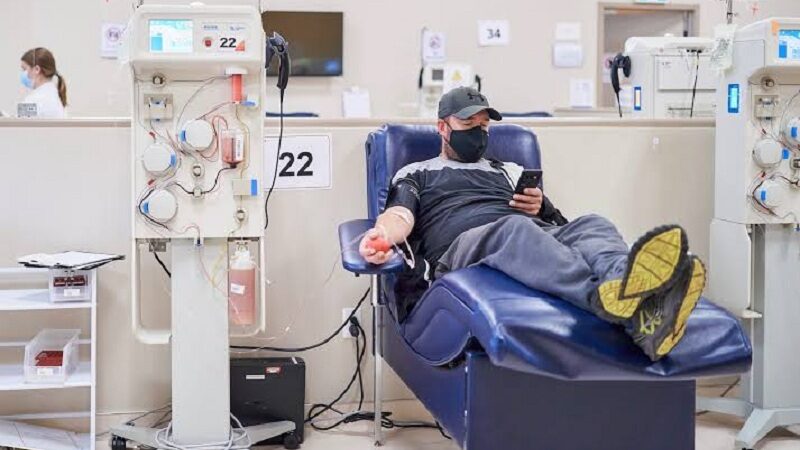
Your first time at a plasma donation center can feel a bit daunting. That’s normal. But here’s the deal: preparation makes all the difference. Expect a warm welcome at ABO Plasma in Cherry Hill. You’re not just another number; you’re a hero. You’ll fill out some initial paperwork, answer health questions, and undergo a mini-physical — think blood pressure checks and a quick blood test to determine your protein levels.
This whole process typically takes about two hours, so bring a book or an iPod to chill out during the wait. Don’t stress, though. The staff’s well-trained and will guide you every step of the way to make sure you’re comfortable.
Step-by-Step: How to Prepare for Donation
- Hydrate: Drink plenty of water before you arrive. This helps make your veins easier to access.
- Eat Well: A hearty meal a few hours before will keep your energy levels up.
- Avoid Fatty Foods: They can mess with your plasma’s quality. Steer clear of greasy meals.
- Bring ID: Make sure you’ve got your photo ID handy; it’s part of the protocol.
Following these steps will help make your first donation smooth. And hey, reaching out to a friend to join can make it even more fun. You’re not just donating plasma; you’re forging a connection.
Location, Location, Location: Finding the Right Center
Not all plasma centers are created equal. It’s crucial to pick a spot that’s reputable and has a good environment. I can’t stress this enough. ABO Plasma in Cherry Hill has a stellar reputation — clean, safe, and staffed with friendly professionals.
- Check Reviews: Don’t just take my word for it. Look them up. Reviews tell the real story.
- Visit the Facility: If you can, swing by and get a feel for the place.
- Ask Questions: Never hesitate to ask the staff anything that’s on your mind. They’re there to help.
Remember, this is about ensuring your comfort and safety. The right choice can make your donation experience significantly more rewarding.
Incentives That Make Plasma Donation Worthwhile
Compensation: What Can You Really Earn?
Let’s talk about money. You might be wondering, is plasma donation worth it financially? Spoiler: Yes, it can be! Most plasma donation centers, including ABO Plasma, offer compensation for your time — usually between $50 and $100 per session, depending on various factors. That’s not pocket change, folks. For many, it’s a nice boost to their monthly budget.
Read More: When Care Can’t Wait: How Urgent Care Clinics Fit Into Everyday Health Decisions
But here’s the kicker: your earnings can add up quickly. If you’re dedicated and donate regularly, you could be looking at a significant amount over the course of a year. Add in the good feeling of saving lives, and it’s a win-win.
Benefits Beyond the Paycheck: Health Perks of Donating
- Health Checkups: Every visit includes monitoring your health. Great way to catch issues early.
- Reduced Risk of Heart Issues: Regular plasma donation can lower cholesterol levels. That’s a nice bonus.
- Feeling Empowered: There’s an undeniable psychological uplift from helping others.
All these benefits add a new layer to the act of donating. It’s not just altruism; it’s a legitimate boost to your own health and well-being.
Common Misconceptions About Plasma Donation
Myth-Busting: Is It Safe to Donate?
One of the biggest myths is about safety. People often think donating plasma is risky. Here’s the truth: it’s extremely safe. Plasma donation has been rigorously tested and comes without significant long-term effects on health. The needles are sterile, and the staff is trained to adhere to strict protocols. You might feel a pinch, but that’s about it. This isn’t anything like those horror stories you hear; it’s a safe environment designed with donor well-being in mind.
And once you finish your donation, you’ll be monitored briefly to ensure you’re feeling okay. It’s really straightforward. Honestly, it’s often less risky than some everyday activities we do without a second thought.
The Truth About Donation Frequency and Its Impact
Another myth? That you can only donate plasma once a year. Nope. Current guidelines allow individuals to donate up to **twice a week**. Crazy, right? But once you’ve gotten into the routine, it’s manageable. It’s about finding your personal balance. If you feel good and are following guidelines, why not maximize your impact?
Think about it. You could be delivering lifesaving plasma to hospitals urgently needing treatments. Wouldn’t that make each sit-down worth it?
Plasma donation isn’t just about the act itself. It’s about becoming part of a community, of solidarity. It’s about dropping those misconceptions and stepping up in a way that genuinely makes a difference.
FAQ
Can anyone donate plasma, or are there eligibility requirements?
Not everyone can donate, unfortunately. You need to be at least 18 years old, weigh a minimum of 110 pounds, and pass health screenings. Some medical conditions or medications might disqualify you, so it’s best to check ahead.
How long does the plasma donation process take from start to finish?
Expect the whole affair to take around two hours at first. This includes paperwork, health checks, and the actual donation, which usually runs about 45 minutes. Once you’re a frequent donor, it’ll generally take less time.
What happens to my plasma after donation?
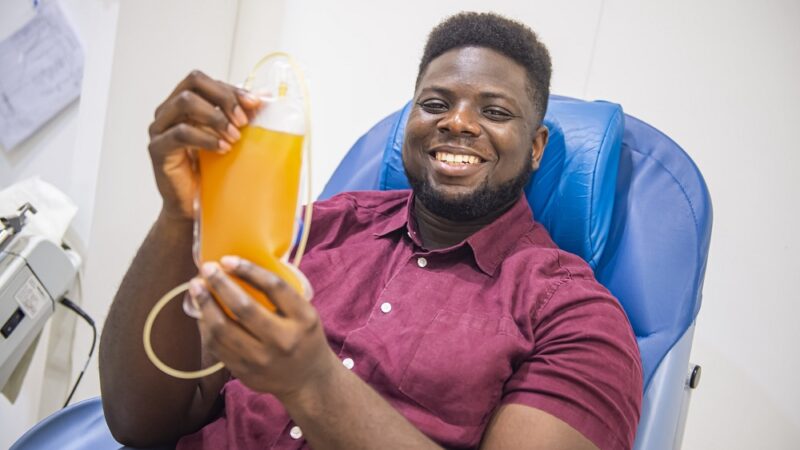
Your plasma is sent off to labs where it’s processed into life-saving therapies. It gets transformed into immunoglobulins, clotting factors, and albumin — critical components used for treating conditions like hemophilia and immune deficiencies.
What if I don’t feel well after donating, what should I do?
Feeling a bit off post-donation isn’t unusual, but it shouldn’t last long. Hydrate and snack on some provided goodies. If you still feel unwell, talk to the staff immediately — they’re trained to handle these situations and ensure your safety.
Is there a limit to how much I can earn from plasma donations?
Not really. While the payout ranges from $50 to $100 per session, if you’re dedicated, those earnings stack up fast. Regular donors can see a significant side income over months, especially if their center has bonus incentives.
Can I donate if I’ve had COVID-19 or the vaccine?
Yes, you can donate if you’re symptom-free after recovery. As for vaccines, they don’t disqualify you at all — in fact, they can help by making your plasma valuable for treatments and research. Just make sure to wait a couple of weeks post-vaccination to ensure everything’s good.
What precautions are taken to ensure the donation process is safe?
Safety’s a top priority. Plasma centers follow strict protocols: sterile needles, health screenings, and professionally trained staff. You’ll be monitored throughout the process to ensure everything runs smoothly. It’s a well-oiled machine designed for donor safety.
Can I donate plasma if I have a low income and rely on the compensation?
Absolutely. The compensation structure is designed to benefit those who need it. Plasma donation not only helps you financially but also allows you to contribute to something life-changing. So if you’re looking to make some extra cash while doing good, go for it!