A Tale of Two Worlds: Annapurna Valleys & Everest Heights
This story is like walking with two legs in two different dreams. One leg inside the Annapurna world, where green hills touch the sky, and the other leg inside the Everest world, where the mighty ice kingdom stands strong. Nepal carries both of these treasures like a mother holding two children with different personalities. One soft and friendly and the other bold and super dramatic.
The Heart of Annapurna: A Warm Welcome of Valleys
The Annapurna region always feels like home, even if you are a visitor. Mountains here don’t scare you. They call you. The villages smell like firewood and fresh rice steam. Old grandmothers give you tea. Children smile like a bright sun. The trail is mixed—rice field, apple garden, suspension bridge, yak bell, mountain shadow, monastery whisper. You walk and walk, and every step feels like a story turning a page.
While in the Annapurna region, trekkers feel like guests and family at the same time. Local tea houses are not luxurious, but they are very heart-touching. Soup tastes amazing because you are tired, and mountains make everything better. Annapurna is a valley place, deeper, lush, and sometimes mysterious. Sometimes clouds come inside the trek, and you cannot see the mountain for hours; then suddenly it clears, and BOOM—holy white peaks.
Annapurna Circuit Trek
This trek may be the most famous. Maybe most loved. Maybe the most complete walk in Nepal. It’s like going around the whole Annapurna crown. People say it literally circles around the massif. It begins from the lower greenery area and slowly climbs to higher land. You go through many villages with different cultures. Some Hindu culture area. Then later Tibetan Buddhists feel. It’s like the world itself changing shape.
The main challenge is Thorong La Pass. When you reach that mighty pass, air is very thin. People walk slow like turtles, and speaking even small words feels like an effort. But view… oh view. You see a white universe and feel like a hero who unlocked the secret of life. Frost on nose, sun on head, wind like a knife. But heart warm.
Read More:Why Florida Vacation Rentals Remain A Top Choice For Travelers And Investors
After crossing the pass, you go down into the Mustang side, the dry side, the windy, desert-style Himalaya. Everything looks like another planet. That is why the Annapurna Circuit feels like many worlds in one walk. You start in a forest, and you end in moonland.
Food on the Annapurna Circuit Trek is humble but good. Dal bhat, noodle soup, potato, pancake, and ginger tea save you. And every day you meet new faces. Some trekkers from Japan, Germany, Italy, Pakistan, the USA, and Colombia—the whole Earth—gather like family.
People share blister stories. Share a dream. Share chocolate. Share altitude sickness warning. Share sunrise.
And that is beauty.
Everest Heights: Land of Ice Giants
While Annapurna is comfort, the Everest region is a challenge. Annapurna is smiling. Everest is a test. When you walk in the Everest region, mountains do not only watch you—they judge you a bit. But this is healthy judgement. Because the Everest region feels like a sacred arena where only strong spirits survive. Even a strong body is not enough. Must have a strong heart. Strong will.
Everything in the Everest area is sharper. Air is colder. Trails are more direct. Peaks are more outrageous and vertical. Villages are smaller. Prayer flags beat like a heartbeat in the wind. Yaks carry loads with steady steps.
When you reach Namche Bazaar, it feels like the Sherpa capital of the world. If Kathmandu is human capital, Namche is mountain capital. Here you rest, acclimatize, drink tea, eat bakery cake (yes, real bakery), and feel like a mountaineer.
Everest Base Camp Trek
Everest Base Camp Trek is like a pilgrimage. People from all life levels walk toward the base of the world’s highest mountain. Some professional. Some beginner. Some old man with a dream since childhood. Some young women who want to prove their ability. Some couple. Some friends. Some solo.
You pass Tengboche monastery—a very peaceful place. There monks chant prayers for safe mountain passage. Then up to Dingboche, Lobuche, and Gorak Shep. Each village has higher and thinner air.
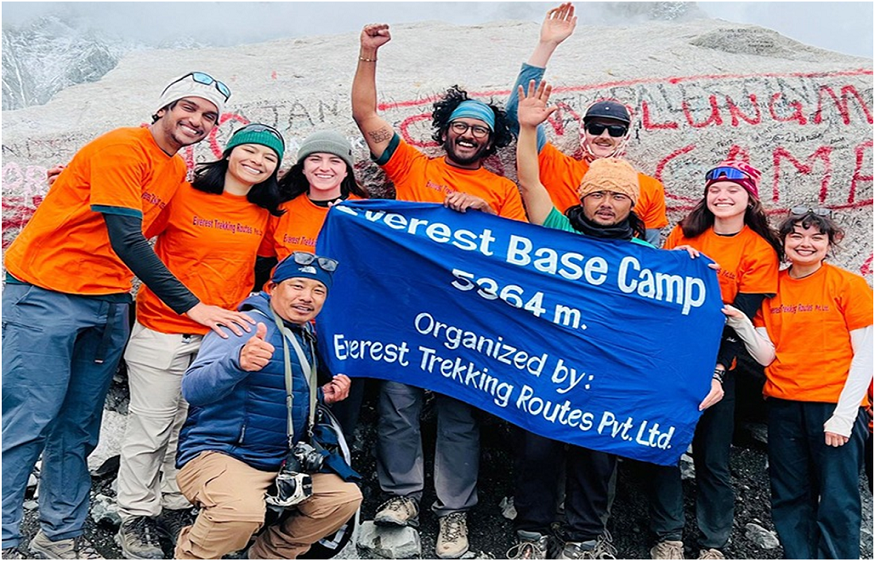
Finally you reach Everest Base Camp. The ground is rocky, glacier blue-gray, with prayer flags everywhere. In climbing season, there are many tents of climbers. In the off-season, just silence and wind.
People often cry there. Emotions come. You know you stood where legends stood. Even if you do not climb Everest, you feel Everest touch you.
This trek is not easy. Altitude heavy. The weather is unpredictable. But emotional rewards are very big.
Mardi Himal Trek
Now let us go back to the Annapurna side for Mardi Himal.The Mardi Himal trek is like a secret path, less crowded. Feel fresh and peaceful. You walk inside a forest of moss and rhododendron. Very quiet. Then suddenly the forest stops and the ridgeline opens, and Annapurna South and Fishtail Mountain (Machhapuchhre) appear so near it’s almost unbelievable. They feel like you can reach out a hand and touch snow.
The Mardi Himal trek is shorter and simpler, good for people who want a real mountain feeling but not a huge crowd. The teahouses are smaller and local. The path is narrower. People are more quiet. At High Camp, the air is crisp, and the sunrise is unbelievable. Pink light hitting slopes. You feel like an inside painting.
Many trekkers say Mardi is the most emotional trek because the closeness of the mountains is intimate. You feel Fishtail looking at you like a friendly spirit.
Everest Three Pass Trek
Everest Three Pass Trek is for brave ones. For those who want the Everest region on the hardest mode. It crosses three major passes: Kongma La, Cho La, and Renjo La. These passes are no joke. They’re tough. Wind strong. Altitude is brutal.
But reward… my God. Incredible views.
You see Everest from many angles. You see glacier lakes. You see remote valleys. You see Gokyo Lakes—turquoise like frozen jewels. The Everest Three Pass Trek makes you feel like a high-altitude explorer. Not just tourists.
Very few people attempt this route because it is a serious physical challenge. But those who do often say this trek changes their personality. It teaches patience. It teaches respect for mountains. It teaches humility.
You return a stronger human.
Two Worlds Compared: The Soft vs. The Sharp
Annapurna is a soft green valley world. Friendly. Roll like a beautiful melody. Everest is a white ice kingdom. Sharp like a symphony of thunder.
In Annapurna, villages feel comfy. In Everest, villages feel rugged. In Annapurna, culture feels mixed. In Everest, culture feels purely Sherpa Buddhist.
In Annapurna, terrain is always changing. In Everest, the terrain is always climbing.
In Annapurna, you discover yourself slowly. In Everest, you confront yourself directly.
Why Trekkers Love Annapurna
Because it is balanced. Not too intense. Very scenic. Warm vibes. Himalayan beauty with a feeling of safety. Annapurna has more oxygen compared to high Everest heights. People talk more casually. Laugh more. Enjoy food more. Photos look dreamy.
And the Annapurna region weather is more stable sometimes. Many side trails. Many tea houses. Annapurna makes the trekking lifestyle enjoyable.
Why Trekkers Love Everest
Because Everest is Everest. Just the name is electrifying. When someone says, “I trekked to Everest Base Camp,” the whole room gives respect. It is not scenery only. It is an achievement. It is on my bucket list. It is Himalaya spiritual journey.
The Everest region also has a strong Sherpa culture—mountain people with deep knowledge. You feel sacredness. In Annapurna you feel nature. In Everest you feel like a god.
The Human Experience of Trekking
Trekking is not only about mountains. It’s about being tired and still walking. It’s about breathing heavily and still enjoying it. It’s about sharing warm soup with strangers. It’s about learning the names of peaks and forgetting the grammar of English. It’s about sleeping early and waking early. It’s about walking under stars and freezing hands. It’s about discovering simple joys—a cup of tea, dry socks, and a sunset on snow.
When you come back from any trek—Annapurna or Everest—you are never the same person. You become more humble. More peaceful. More aware of small joys.
Packing the Spirit, Not Just the Backpack
People always ask what to carry: jacket, boots, gloves, sunglasses. Yes, important. But more important: carry patience. Carry respect. Carry curiosity. Carry a smile.
Read More:Where to Find the Best Food and Views in Venice
Because mountains do not remember your gear brand. But they remember your attitude.
Which One Should You Choose?
If you want a gentle start, choose Annapurna. If you want a big, high challenge, choose Everest. If you want a peaceful romantic trek, choose Mardi Himal. If you want the ultimate tough adventure, choose Everest Three Pass. If you want a long cultural epic journey, choose the Annapurna Circuit.
There is no wrong choice. Only a different story.
Final Thoughts: The Tale of Two Worlds
Annapurna is like a warm poem. Everest is like a frozen symphony. Annapurna embraces you. Everest tests you. Annapurna whispers, “Welcome, friend.” Everest whispers, “Prove yourself.”
Both worlds are beautiful. Both sacred. Both unforgettable.
Everyone who treks in Nepal carries a little piece of the mountain inside their heart forever.
Contact Details
Company address: Everest Trekking Routes Pvt. Ltd.
16 Khumbu, Nayabazaar, Kathmandu, Nepal
Mobile : +977-9843467921 (Rabin)