Why Your Plasma Donation Matters More Than You Realize
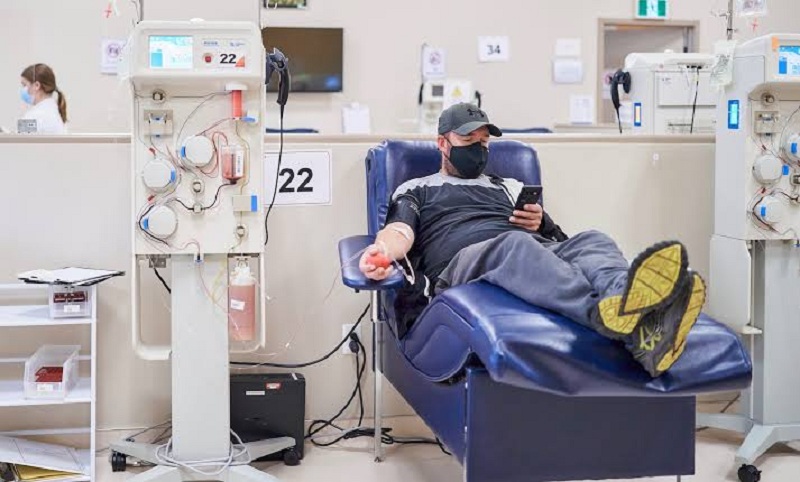
Plasma plays a crucial role in various medical treatments, from therapies for hemophilia to care for severe burns, proving life-saving for those in dire need.
In Glassboro, the demand for plasma donations is on the rise, as hospitals increasingly depend on plasma-based therapies for surgeries and chronic disease management.
Interestingly, over 600,000 Americans with hemophilia require plasma-derived treatments, but less than 10% of eligible individuals actively donate, revealing a significant gap in supply.
Not only does donating plasma enhance cardiovascular health for donors, but it also offers them regular health assessments during the donation process.
Many plasma donation centers provide financial incentives, enabling donors to earn money while participating in efforts to improve community health.
Engaging in local plasma donation events nurtures community bonds and encourages a shared spirit of generosity, motivating more individuals to take part in altruistic activities.
Consistent plasma donation fosters a sense of community and personal legacy, improving the lives of both donors and recipients while tackling ongoing health challenges in the region.
How Plasma Donation Makes a Difference in Glassboro
The Critical Role of Plasma in Medical Treatments
Plasma is not merely a blood component; it’s a life-saving resource for numerous patients. This essential liquid contains proteins vital for blood clotting and immune function, making it indispensable in treating various medical conditions. For patients with disorders like hemophilia or severe burns, plasma-derived therapies can be the key to survival. Experts consistently underscore plasma’s importance in crafting therapies aimed at managing these serious conditions, stating that just one donation can save multiple lives.
Furthermore, as advances in medical technology emerge, the need for plasma donation in Glassboro, NJ continues to grow. Hospitals and clinics are increasingly turning to plasma-based therapies for surgeries and chronic illness management. It’s impressive to think that every donation can significantly aid healing processes in ways that many donors may not fully grasp. Each contribution creates a ripple effect, with plasma’s applications extending beyond standard medical treatments.
Powerful Impact on Patients’ Lives
The experience of donating plasma connects individuals to numerous others facing health challenges. When a community rallies together to support its members through plasma donation, the impact is palpable. Patients battling life-threatening conditions like immune deficiencies or liver disease can experience remarkable recoveries, thanks to these generous contributions. Just picture the relief on a mother’s face knowing her seriously ill child now has access to crucial therapies thanks to kind-hearted donors.
Read More: The Science Of Youth: Why Choose Laser Skin Resurfacing?
Donors often experience a strong sense of fulfillment after their contribution. Hearing stories of recovery, such as how one donation enabled a cancer patient to continue their treatment, can inspire potential donors to step forward. It transcends the physical act of transferring fluids; it’s about joining a larger mission to elevate one another during difficult times.
Statistics That Showcase the Need for Plasma Donations
Examining the statistics reveals a stark reality regarding the state of plasma donations. Shockingly, over 600,000 individuals with hemophilia require plasma-derived clotting factors for their treatment in the U.S. Yet, fewer than 10% of eligible donors actually participate in plasma donation. This gap between demand and supply is staggering.
Research indicates that one donation can potentially help save or improve the lives of up to three individuals.
Moreover, around 50% of collected plasma is utilized for therapeutic treatments for various life-threatening conditions. In Glassboro, this translates to more local residents being able to benefit directly from the generosity of their neighbors. Gaining insight from these statistics encourages more people to take action, recognizing that they, too, can make a significant difference.
What to Expect During Your Plasma Donation Appointment
Step-by-Step Walkthrough of the Donation Process
First-time donors may find themselves feeling anxious about the donation process, but knowing what lies ahead can ease those nerves. The journey usually begins by scheduling an appointment at a nearby plasma donation center, such as ABO Plasma in Glassboro. Upon arrival, donors will undergo a health screening, which includes a detailed medical history review and a quick physical examination. This screening is essential to ensure the safety of both donor and recipient.
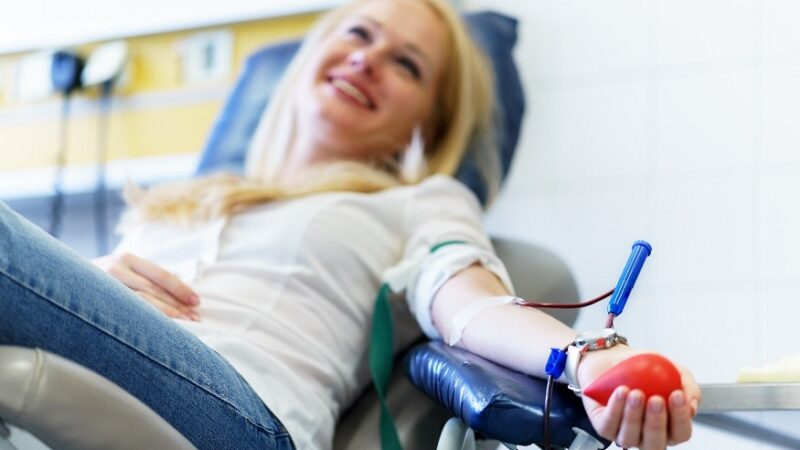
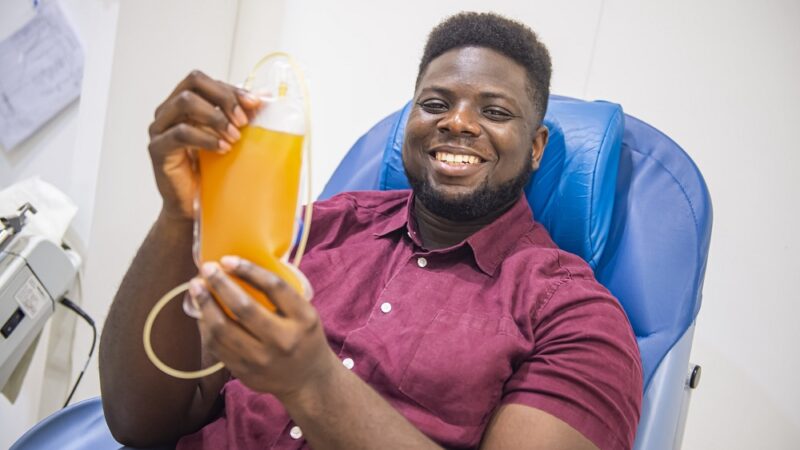
Then comes the actual donation, which typically lasts between 60 to 90 minutes. Donors are seated comfortably, and a trained professional will insert a needle into one arm. It’s crucial to note that this process resembles giving blood; however, donors will be linked to a machine that separates plasma from other blood components. The remainder of the blood cells gets returned to the donor’s body via the same needle. It’s fascinating to consider how the machine might be working to prepare plasma for medical treatments with the potential to save lives throughout this time!
- Check in at the donation center
- Undergo a health screening
- Donation process (60-90 minutes)
After donating, patrons should take a moment to rest; light snacks and refreshments will be available to help replenish energy levels. This step is crucial as it enables individuals to feel recharged and ready to resume their daily activities.
Common Questions Answered for First-Time Donors
Many first-time donors often inquire about the discomfort involved in plasma donation. In truth, the only discomfort arises from the initial needle insertion – quite similar to a routine blood draw. Questions about donor eligibility frequently arise as well; typically, donors need to be at least 18 years old, in good health, and weigh a minimum of 110 pounds. There’s usually a waiting period of around 28 days between donations for recovery.
Knowledge can empower donors, enhancing their experience. Many leave knowing they have contributed to a more significant purpose, feeling more connected to those in need.
Safety Measures Ensuring a Comfortable Experience
Safety is paramount in the plasma donation process. Donation centers adhere to rigorous health and sanitation guidelines, prioritizing the safety of both donors and recipients. Equipment receives thorough sterilization, while healthcare professionals are trained to address any unexpected situations, reassuring donors about their welfare.
- Medical screening to ensure donor health
- State-of-the-art sterilization protocols
- Trained staff monitoring throughout
Beyond the established safety measures, donors should consider their own health. Staying hydrated and enjoying a substantial meal before donating can significantly improve the experience. A little preparation guarantees that the entire journey, from check-in at the appointment to enjoying well-deserved refreshments afterward, remains smooth and enjoyable.
Benefits of Donating Plasma Beyond Helping Others
The Full-picture Advantage: How Donating Improves Personal Health
Plasma donation isn’t just a selfless act; it also confers health advantages for donors. Research indicates that regular plasma donations may enhance cardiovascular health by decreasing blood pressure and cholesterol levels. During the donation process, monitoring health can lead to improved awareness regarding personal wellness. Additionally, passing health screenings often results in a mini check-up, enabling early detection of potential issues!
There’s a certain satisfaction derived from knowing one’s actions are making a positive impact, which can greatly enhance emotional and mental health. Many report feeling rejuvenated – both physically and mentally – after donating. Contributing to others can cultivate a sense of community pride and individual connection that improves overall life satisfaction.
Potential Financial Incentives for Plasma Donors
While altruism often drives individuals to donate, it’s worth recognizing that plasma donation frequently includes financial advantages. Various centers offer compensation for the time and effort put forth by donors, although this varies by location and facility. This financial incentive can represent an appealing opportunity to give back while earning some extra cash.
- Compensation varies by center
- Opportunity to earn while helping others
- Payment can serve as an added motivator
For many people, being compensated for their plasma donation simply enhances the positive experience. Whether funding a weekend trip or indulging in a nice meal, it feels fulfilling to realize they are contributing to both community well-being and their personal goals.
Building Community Connections Through Donation Events
Plasma donation is often a catalyst for rich community relationships. Local donation events provide platforms for individuals to unite, connecting with others who share similar values. This sense of camaraderie can turn the act of giving into a larger movement, inspiring others to get involved.
When neighbors come together for a shared cause, they forge bonds that strengthen the fabric of the community.
Even those who were once strangers may find commonality through their shared dedication to helping others. Group donation drives tend to enhance participation, amplifying the impact of each person’s contribution. Donors leave not only feeling fulfilled by their contribution but also enriched by new friendships and ties.
Best Practices for an Optimal Plasma Donation Experience
Preparation Tips: What to Do Before You Donate
Effective preparation for plasma donation can significantly enhance the overall experience. Donors are typically encouraged to stay well-hydrated; options like water, juice, and sports drinks work nicely. A balanced meal before the appointment often helps maintain energy levels. Starting the day with a nutritious breakfast or lunch can make a notable difference while facilitating a smoother donation process.
Being informed is equally crucial. Understanding the eligibility requirements, including travel restrictions or recent vaccinations, aids in managing expectations. Familiarity with the guidelines at the donation center also prepares individuals for an efficient experience.
- Stay hydrated
- Enjoy a nutritious meal
- Review donation center guidelines
Aftercare: Maximizing Recovery Post-Donation
Post-donation, it’s important for donors to focus on recovery. Taking a moment to relax after donating is essential, as it allows the body to adjust following the experience. Interestingly, many don’t recognize how crucial self-care is during recovery. Simple actions – like drinking fluids, applying a cold compress if needed, and avoiding heavy lifting – can greatly speed up recovery.
Also, keeping an eye on any discomfort after leaving the donation center is wise. If anything feels unusual, seeking medical advice is always a smart choice. This attention to aftercare aids recovery while fostering a proactive approach to health.
- Rest for a while after donation
- Stay hydrated
- Avoid strenuous activities
How Regular Donations Can Make a Lasting Impact
Engaging in regular plasma donation is a noble commitment that can profoundly affect community health. Donors who return frequently help sustain the supply of therapeutic plasma required by community members facing health challenges. For individuals considering ongoing participation, establishing a donation schedule encourages lasting engagement. A commitment to giving back cultivates loyalty, community pride, and a personal legacy of generosity.
Furthermore, the relationships developed over time – both with donation centers and within the community – can be incredibly rewarding. Many donors find that consistent involvement inspires a greater interest in local health initiatives, personal health education, and advocacy for others.
Read More: How A Pasadena Rehab Center Can Transform Lives
To summarize, establishing a habit of donating plasma creates a win-win situation: it enriches the lives of community members while fostering a sense of belonging and purpose for the donors themselves. Clearly, the act of plasma donation surpasses simply giving blood; it’s all about bringing light into lives and weaving communities together.
FAQ
Can anyone donate plasma, or are there specific eligibility criteria?
Eligibility for plasma donation includes being at least 18 years old, in good health, and weighing a minimum of 110 pounds. Additionally, potential donors must successfully pass a health screening that evaluates their medical history and overall wellness.
How often can someone donate plasma safely?
Generally, donors can give plasma once every 28 days. This waiting period allows the body time to effectively replenish plasma levels and ensures that donors are healthy for the next session.
What resources are available for new donors to learn more about the process?
Many donation centers offer informational resources, such as brochures and websites that explain the plasma donation process, eligibility criteria, and safety protocols. Engaging with staff during the initial visit can also clarify any questions or uncertainties.
Is there a difference between donating plasma and blood?
Yes, donating plasma specifically targets the liquid aspect of blood, whereas whole blood donation encompasses both plasma and blood cells. The plasma donation process involves a machine that segregates plasma from the remaining blood components, returning the cells to the donor.
What health benefits can regular plasma donation provide beyond community support?
Regular plasma donation can bolster cardiovascular health through reduced blood pressure and cholesterol levels. Additionally, routine health check-ups during the donation process facilitate the early identification of potential health concerns, promoting overall wellness.
How are plasma donations used in medical treatments?
Plasma donations are crucial for generating therapies that treat a variety of medical conditions, particularly clotting disorders, immune deficiencies, and severe burns. Each donation can be crafted into multiple treatments that provide supportive care to patients in urgent need.
What are the common misconceptions about donating plasma?
A prevailing misconception is that plasma donation is painful or harmful to health. In reality, the discomfort is minimal, akin to a routine blood draw, and stringent safety protocols are in place to ensure donor well-being.
How do local donation events contribute to the plasma donation effort?
Local donation events enhance community spirit and engagement by bringing people together for a shared purpose. These gatherings raise awareness about the importance of plasma donation and foster a supportive atmosphere that prompts participation from more individuals.