
Giving More Than Blood: How Plasma Donation Makes A Real Difference
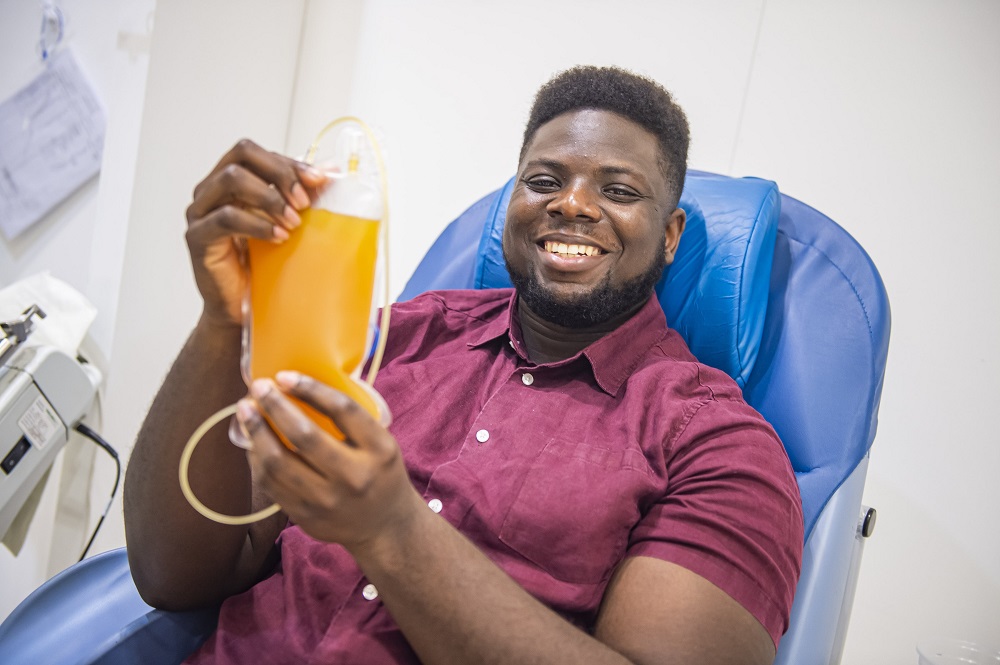
Plasma is one of those quiet heroes of modern medicine. It does not get the same attention as blood donation, yet it plays a critical role in treating people with immune disorders, burn injuries, bleeding conditions, and many chronic illnesses. Behind every vial of life-saving medication is a person who chose to sit down, roll up a sleeve, and give a small part of their time to help someone else.
In recent years, donating plasma has become more visible and better understood. Donation centers are more welcoming, the science is clearer, and more people are curious about how the process works and why it matters. This article takes a closer look at plasma donation, what donors can expect, who benefits most, and why communities continue to rely on generous individuals who choose to give.
What Plasma Is and Why It Matters
Plasma is the pale yellow liquid portion of blood that carries cells, proteins, hormones, and nutrients throughout the body. It makes up more than half of your blood volume and plays a vital role in clotting, immunity, and healing. When doctors treat patients with plasma-derived therapies, they are often addressing conditions that cannot be managed with synthetic alternatives.
Plasma is used to create medications for people with hemophilia, immune deficiencies, liver disease, and severe burns. It is also essential in emergency care when patients experience major blood loss or shock. Unlike some medical supplies, plasma cannot be manufactured in a lab. It must come from human donors, which makes every donation deeply valuable.
How Plasma Donation Works
The plasma donation process is different from donating whole blood, although it starts in a familiar way. A donor completes a health screening, answers questions about medical history, and undergoes basic checks like blood pressure and hemoglobin levels. These steps help ensure safety for both the donor and the recipient.
Read More:More Than A Donation: How Plasma Helps Advance Modern Medicine
During the donation, a process called plasmapheresis is used. Blood is drawn from one arm and passed through a machine that separates plasma from red blood cells and platelets. The remaining components are then returned to the donor. This allows donors to give plasma more frequently than whole blood, since the body replaces plasma relatively quickly.
The entire process typically takes between 60 and 90 minutes. Many donors spend that time reading, listening to music, or relaxing. Afterward, donors are encouraged to hydrate well and eat a balanced meal to support recovery.
Who Can Donate Plasma
Eligibility requirements can vary slightly by center, but most plasma donors need to meet a few basic criteria. Donors are usually between the ages of 18 and 65, meet a minimum weight requirement, and be in generally good health. Certain medications, recent illnesses, or travel history may affect eligibility, either temporarily or permanently.
First-time donors may spend a bit more time at the center, as additional screening is required. While that can feel intimidating, these steps exist to protect everyone involved. Over time, many donors find the process becomes routine and even comforting.
The Human Impact Behind Every Donation
It is easy to think of plasma in abstract terms, like units, liters, or medical products. But behind every treatment is a person whose quality of life depends on regular access to plasma-derived therapies. Children with immune disorders rely on it to fight infections. Accident victims depend on it during emergency surgeries. Burn patients need it to stabilize their condition and begin healing.
For these individuals, plasma is not optional. It is essential. That reality is what motivates many donors to return again and again. Knowing that a routine appointment can directly support someone else’s survival or long-term health gives the act of donating deeper meaning.
Addressing Common Myths and Concerns
Despite growing awareness, myths about plasma donation still exist. Some people worry that donating plasma is painful or unsafe. In reality, the process is closely regulated, and donors are monitored throughout the session. Most people report only mild discomfort from the initial needle insertion, similar to a standard blood draw.
Another common concern is fatigue. While some donors feel a bit tired afterward, proper hydration and nutrition usually prevent any lingering effects. Donation centers also limit how often individuals can donate to ensure their bodies have time to recover.
There is also confusion about how plasma is used. Some people mistakenly believe it is primarily sold for profit. While plasma-derived medications are part of the pharmaceutical industry, the end result is treatment for patients who often have no other options. The ethical framework around plasma donation focuses on safety, transparency, and patient care.
The Role of Plasma Donation in Local Communities
Plasma donation is not just a global medical effort, it is also a local one. Donation centers provide jobs, support healthcare infrastructure, and serve as hubs for community involvement. In many areas, people donate alongside neighbors, coworkers, or family members, creating a shared sense of purpose.
For residents considering donating plasma in NJ, local centers often emphasize education and donor support. Staff members are trained to answer questions, guide first-time donors, and create a comfortable environment. This local presence helps make plasma donation feel less intimidating and more accessible.
Preparing for a Successful Donation
Preparation can make a noticeable difference in how donors feel during and after their appointment. Drinking plenty of water the day before and the day of donation helps maintain healthy blood volume. Eating a protein-rich meal supports plasma production and energy levels.
It is also wise to get a good night’s sleep and avoid alcohol before donating. Wearing comfortable clothing and bringing a form of entertainment can make the time pass more easily. These small steps contribute to a smoother experience and encourage donors to return.
Why People Choose to Donate Regularly
Some donors start out of curiosity or a desire to help during a shortage. Others are motivated by personal experiences, such as having a loved one who benefited from plasma-based treatments. Over time, many donors develop a routine and a sense of pride in their commitment.
Regular donors often describe plasma donation as a quiet act of service. It does not require special skills or dramatic effort, just consistency and care. That simplicity is part of its power.
Looking Ahead: The Future of Plasma Donation
Demand for plasma continues to grow as medical science advances. New therapies are being developed, and existing treatments are reaching more patients worldwide. This means the need for donors will remain strong in the years ahead.
Read More:Quiet Guardians Of The Food We Eat: How PPE Stations Shape Modern Food Safety
Technology is also improving the donation experience. More efficient machines, better screening tools, and enhanced donor education all contribute to safer and more comfortable visits. As awareness increases, plasma donation is becoming a more normalized part of community health.
A Small Act With Lasting Impact
Donating plasma is a reminder that meaningful contributions do not always come with fanfare. They often happen quietly, in clean rooms with comfortable chairs and skilled professionals guiding the process. Yet the impact travels far beyond those walls.
For anyone considering donating plasma in NJ or elsewhere, the decision represents more than a medical procedure. It is a choice to support lives you may never meet, to participate in a system of care that depends on everyday generosity. In a world where many problems feel overwhelming, plasma donation stands out as a simple, tangible way to help.

