Quiet Guardians Of The Food We Eat: How PPE Stations Shape Modern Food Safety
Food safety is often discussed in terms of regulations, inspections, and recalls. Yet some of the most important safeguards operate quietly in the background, rarely noticed by consumers but essential to protecting public health. One of these safeguards is the careful use of personal protective equipment, or PPE, within food production and handling environments. At the center of this effort are PPE stations, practical systems that help workers follow hygiene protocols consistently and correctly.
From farms and processing plants to commercial kitchens and distribution centers, food safety depends on human behavior as much as technology. Even the most advanced equipment cannot compensate for lapses in hygiene. PPE stations exist to bridge that gap, making safe practices easier, faster, and more reliable for the people who handle our food every day.
Why Food Safety Relies on People as Much as Processes
Food safety risks often begin with human contact. Hands, clothing, footwear, and hair can all carry contaminants into food handling areas. While sanitation systems clean surfaces and tools, people move constantly between zones, tasks, and environments. Each transition presents a potential risk.
Historically, many food safety failures have been traced back to inconsistent hygiene practices rather than lack of rules. Workers may forget to change gloves, skip hair restraints, or reuse protective clothing. Not because they are careless, but because systems are inconvenient, unclear, or poorly designed.
Modern food safety solutions focus on designing environments that encourage compliance. This is where PPE stations play a crucial role. By organizing protective gear in a clear, accessible, and logical way, they help turn good intentions into consistent action.
What a PPE Station Actually Does
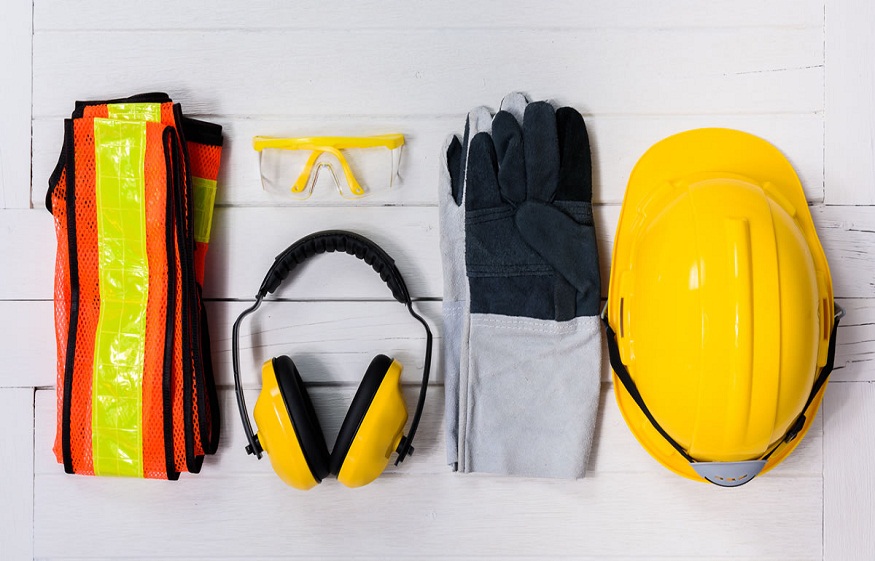
A PPE station is a designated area where workers can access and dispose of personal protective equipment required for their tasks. This typically includes items such as gloves, hairnets, beard covers, masks, aprons, and sometimes footwear covers. The station may also include mirrors, hand sanitizers, signage, and disposal bins.
Read More:Top 5 Paintings for Bedroom
The goal is simple but powerful. Make it easy for workers to put on the right protective gear at the right time. When PPE is organized, visible, and placed at key entry points, compliance becomes part of the workflow rather than an interruption.
In food safety environments, these stations are often positioned at transitions between low-risk and high-risk areas. This ensures that anyone entering a sensitive zone is properly equipped, reducing the chance of contamination.
Design Matters More Than Most People Think
Not all PPE stations are equally effective. Poorly designed setups can actually increase risk by creating confusion or frustration. For example, overcrowded stations may lead workers to rush or skip steps. Inconsistent layouts across facilities can cause mistakes when staff move between locations.
Effective PPE station design follows a few core principles. Visibility is critical. Workers should immediately see what is required of them. Accessibility is equally important. If equipment is hard to reach or poorly stocked, compliance drops. Clear labeling and logical sequencing also matter. Items should be arranged in the order they are used, reinforcing correct behavior without verbal reminders.
Many modern food safety solutions incorporate color coding and visual cues. These small details reduce cognitive load and make it easier for workers of different backgrounds and languages to follow protocols correctly.
Reducing Cross Contamination Through Smart Placement
One of the greatest risks in food production is cross contamination. This occurs when harmful microorganisms move from one area or product to another, often through human contact. PPE stations help control this risk by creating physical and procedural boundaries.
For example, a worker moving from raw food handling to ready to eat production should change gloves and protective clothing. Placing PPE stations at these transition points makes this step unavoidable and routine. In effect, the station becomes a checkpoint that reinforces food safety culture.
Over time, these repeated actions build habits. Workers begin to associate specific spaces with specific behaviors. This behavioral consistency is one of the strongest defenses against contamination.
Training, Culture, and Daily Reinforcement
No PPE station can replace proper training, but it can support and reinforce it. Training sessions often cover what PPE is required and why it matters. PPE stations translate that knowledge into daily practice.
When stations are well maintained and consistently stocked, they send a message that food safety is a priority. Workers notice when management invests in practical tools rather than relying solely on rules and warnings. This contributes to a culture of accountability and respect.
Conversely, neglected stations with empty dispensers or cluttered layouts can undermine training efforts. They signal that procedures are optional or unimportant. In this way, PPE stations become visible indicators of an organization’s commitment to food safety.
Adapting to Different Food Safety Environments
Food safety needs vary across the industry. A meat processing facility faces different risks than a bakery or produce packing operation. PPE stations must be adaptable to these differences.
In high moisture environments, materials need to resist corrosion and frequent cleaning. In cold storage areas, gloves and clothing must accommodate temperature extremes. Some operations require frequent PPE changes, while others focus on controlled access to sterile zones.
Flexible PPE station systems allow facilities to tailor their setups without reinventing their entire safety program. Modular designs, adjustable dispensers, and customizable signage make it easier to adapt as processes change.
The Role of PPE Stations in Audits and Compliance
Food safety audits often examine not just written policies, but how those policies are implemented. Auditors look for clear procedures, employee understanding, and physical evidence of compliance.
Well designed PPE stations provide tangible proof that hygiene protocols are integrated into daily operations. They show that protective equipment is available, accessible, and used as intended. This can make audits smoother and reduce the stress associated with inspections.
More importantly, compliance driven by good design tends to be more sustainable. Instead of relying on constant supervision, PPE stations encourage self regulation, which is more effective over the long term.
Technology and the Future of PPE Stations
As food safety solutions evolve, PPE stations are becoming smarter. Some facilities now use sensors to monitor stock levels and alert managers when supplies run low. Others integrate access control systems that require proper PPE before entry into certain areas.
Digital signage can provide real time reminders or updates based on production schedules. Data collected from these systems helps identify patterns, such as peak usage times or areas where compliance drops.
While technology adds value, it works best when paired with thoughtful design and human centered thinking. The goal is not to overwhelm workers, but to support them in doing the right thing consistently.
Why Small Details Have a Big Impact
It is easy to overlook PPE stations because they are so ordinary. Yet their impact on food safety is significant. By shaping behavior at critical moments, they help prevent contamination events that can have serious consequences for public health and brand reputation.
Food safety is often described as a chain, where each link must hold. PPE stations strengthen one of the most vulnerable links, human interaction with food. When designed and implemented well, they turn safety from an abstract concept into a daily practice.
Even a single well placed PPE station can reduce risk across an entire operation. Multiply that across an industry, and the collective impact becomes clear.
Building Trust Through Consistent Protection
Consumers rarely see the inner workings of food production, but they trust that systems are in place to protect them. That trust is earned through consistent, reliable practices rather than occasional interventions.
Read More:Long Term Value: Why Professional Roof Care Matters
PPE stations play a quiet but essential role in maintaining that trust. They support workers, reinforce standards, and make food safety visible within the workplace. In a field where mistakes can have wide reaching consequences, these stations provide structure and reassurance.
As food safety challenges continue to evolve, from changing regulations to new pathogens, practical solutions will remain essential. The PPE station stands as a reminder that sometimes the most effective safeguards are the simplest ones, thoughtfully designed and consistently used.