
Why Specialized Freight Shipping Services Are Essential for Trade Shows
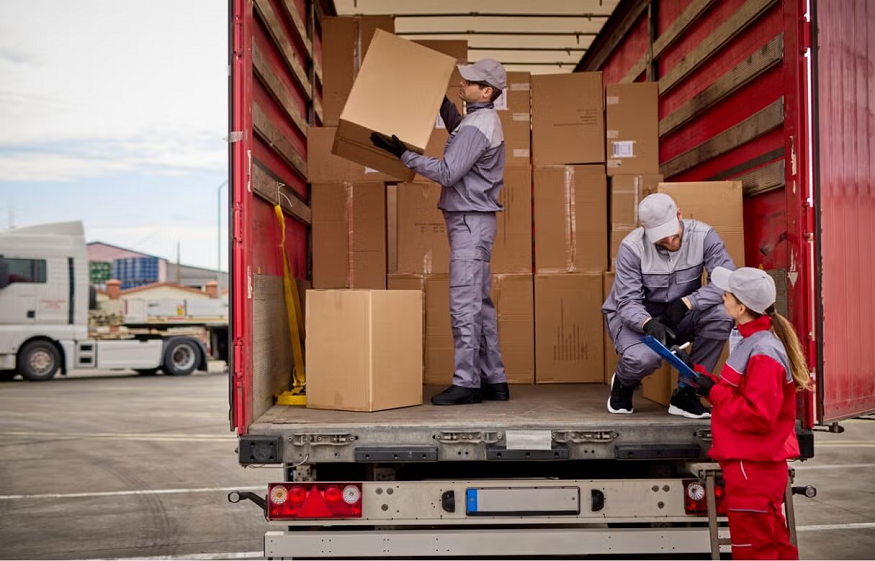
Trade shows create valuable opportunities for businesses to showcase products, meet potential customers, strengthen industry relationships, and build brand awareness. However, participating in one involves much more than designing an attractive booth and preparing marketing materials. Every exhibit component must reach the venue on schedule and in excellent condition. Booth structures, promotional displays, lighting systems, machinery, samples, and technical equipment all need to arrive before the event begins.
Unlike conventional freight movements, trade show logistics operate around strict deadlines and venue-specific requirements. There is very little room for delays or mistakes. This makes specialized freight shipping services an important part of successful trade show planning.
Why specialized freight shipping services is necessary in trade shows
Trade shows operate according to carefully established schedules. Exhibitors are typically given specific dates and time windows for moving their freight into a convention center, hotel, exhibition hall, or other event location. Missing these windows can create serious problems for the setup team and may leave an exhibit unfinished when attendees begin arriving. Providers of specialized freight shipping services understand the importance of event schedules. Rather than treating delivery as a general transportation requirement, they build the shipment plan around the exhibition’s move-in and move-out requirements. This approach helps ensure that freight arrives when the exhibitor can actually receive, unload, and install it. The same level of attention is required after the event. Once the show ends, materials must be collected within designated time frames and transported to their next destination. Experienced trade show carriers understand both sides of the process.
Read More: Maximizing Warehouse Efficiency: A Strategic Approach To Modern Storage
Exhibition freight can be very different from ordinary commercial shipments. A typical shipment may contain fragile display panels, custom-built booths, lighting equipment, product samples, promotional materials, electronics, or specialized machinery. Some items may be expensive, oversized, delicate, or difficult to package. Because of this, ordinary freight-handling methods may not always provide sufficient protection. Specialized carriers use appropriate equipment and loading techniques to reduce the possibility of damage during transportation. Protective padding, straps, ramps, lift gates, and other handling tools can help secure unusual or sensitive loads. Proper loading is equally important. Freight must be positioned and secured carefully so that components do not shift during transportation. When a booth or display arrives damaged, an exhibitor may face replacement costs as well as delays during installation. Specialized handling helps reduce these risks.
Every trade show shipment has its own requirements. Some businesses may want their freight delivered directly to the exhibition venue, while others may prefer to send materials to an advance warehouse for storage and later delivery. Advance warehousing can be particularly useful when exhibitors need their materials staged before the official move-in period. Other businesses may participate in multiple shows and require freight to move directly from one event to the next. Specialized shipping services can accommodate these different arrangements. Having multiple routing and delivery options allows exhibitors to choose a logistics strategy that works with their schedules, venues, and event plans.
Read More: From Stress To Stability: The Value Of Professional Tax Representation
Trade show freight can range from a few boxes to several large truckloads. A specialized provider can select an appropriate transportation method based on the size, weight, urgency, and handling requirements of the shipment.