
Professional Tree Removal In Bellevue: What Every Homeowner Needs
Neglected trees can lead to serious risks, such as property damage and injuries, highlighting the need for homeowners in Bellevue to conduct regular inspections.
Scheduling tree removal during dormant seasons, like late fall or early spring, is optimal for the health of the landscape and can significantly boost curb appeal.
Selecting the right tree removal service requires asking important questions regarding qualifications, experience, and the transparency of pricing to ensure a job well done.
The costs associated with tree removal fluctuate based on several factors: tree size, condition, accessibility, and disposal needs, making detailed estimates essential for homeowners.
Ensuring proper safety protocols and using the right equipment is vital during tree removal, safeguarding the well-being of arborists and bystanders alike during the process.
Homeowners should take into account the environmental effects of tree removal, favoring sustainable methods like pruning or replanting whenever feasible.
Post-removal care should emphasize soil health and consider suitable replanting options, especially native species, to cultivate a vibrant landscape and ecosystem.
Why Homeowners in Bellevue Prioritize Professional Tree Removal
The Hidden Dangers of Neglected Trees
In the Pacific Northwest, trees play a crucial role in residential landscapes, offering shade, beauty, and habitats for wildlife. Still, neglected trees can become serious hazards. Surprisingly, many homeowners underestimate the dangers. Dead or diseased trees may fall without warning, posing risks to loved ones and causing damage to property. Furthermore, roots can invade plumbing systems, leading to expensive repairs. Therefore, experts emphasize the importance of routine inspections to identify problems early, before they become significant issues.
The varied weather in Bellevue adds further stress to trees throughout the year. From heavy rains and ice storms to high winds, these conditions can worsen the vulnerability of weakened trees. Homeowners might think, “I’ll handle it later,” but that approach can lead to dangerous outcomes. Regular maintenance not only preserves the yard but also protects family members and visitors from potential harm.
Benefits Beyond Aesthetics: Why Timing Matters
Removing trees is not just about improving visuals; it’s also about timing, which is crucial for the overall health of the landscape. Trees have specific seasons when it’s best for removal. For example, late fall or early spring provide optimal conditions. During these seasons, trees are in a less active state, making the process smoother.
Read More: Landscaping In Seattle: What 40 Years Of Experience Taught Me
Additionally, homeowners who prioritize timely tree removal can enjoy benefits such as enhanced curb appeal and a boost in property value. Properties that showcase effective landscape management tend to sell more quickly in today’s competitive market. Bellevue residents have discovered that taking proactive measures often leads to significant advantages.
“Tree management is about foresight, not just aesthetics.”
How to Choose the Right Tree Removal Service in Bellevue
Questions to Ask Before Hiring an Arborist
Finding the ideal professional for tree removal can seem daunting. Given the multitude of options, not every service stands out. Homeowners should consider a series of vital questions before proceeding. What qualifications do the arborists hold? Are they certified and insured? Addressing these inquiries can significantly affect the outcome, distinguishing a professional job from a potential disaster.
- How long has the company been in business? Experience often speaks volumes.
- Do they provide a written estimate? Transparency is key to avoiding hidden expenses.
- What types of equipment do they use? Modern tools lead to safer and more effective results.
A skilled arborist should not just act as a service provider; they should function as a consultant, helping homeowners navigate the decision-making process. Ensuring alignment between the tree removal service and personal goals can greatly improve both the experience and the results.
Understanding Pricing Structures: What to Expect
Tree removal pricing can vary widely, influenced by numerous considerations. Factors like tree size, condition, and accessibility play a major role. Typically, homeowners can anticipate costs tied to the complexity of the job. Smaller trees generally come at lower costs, while larger, more intricate removals necessitate additional efforts.
- Size and species: Different species present varying challenges in removal.
- Location: Trees positioned near structures typically raise the complexity of removal.
- Disposal costs: Some companies might incorporate debris removal into their pricing.
Awareness of pricing structures empowers homeowners to feel informed and confident. Nobody wants unexpected costs. A smart approach? Request comprehensive estimates from several candidates and compare them. This strategy can help ease the often unfamiliar process.
Preparing for Tree Removal: What Homeowners Need to Know
Safety Protocols and Equipment: Behind the Scenes
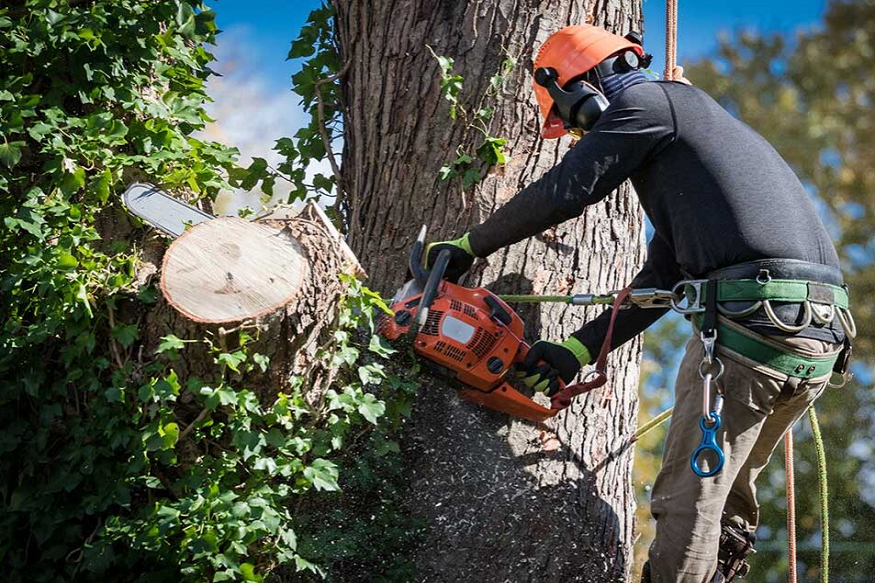
Preparation proves essential for successful tree removal. Homeowners need to recognize the significance of employing the right safety protocols and equipment. Professionals rely on various tools to accomplish the task safely and efficiently. Commonly used gear includes chainsaws, stump grinders, and safety harnesses.
Prior to commencing the project, arborists carefully plan the operation. Evaluating the tree’s condition and the surrounding area forms a crucial part of this process. For instance, a tree leaning precariously toward a structure requires specialized techniques to mitigate potential damage. The important takeaway? Following established safety protocols protects not just the tree, but everyone involved.
- Clearing the area: Establishing a safety zone prevents harm to bystanders.
- Proper rigging: This is critical for guiding branches as they fall.
- Using personal protective equipment: Helmets, gloves, and goggles are essential.
Experienced arborists take these precautions extremely seriously. Homeowners can feel assured that safety remains a priority throughout the entire removal process.
Environmental Considerations During Tree Removal
Many homeowners consider the environmental implications of tree removal. Sustainable practices should take precedence in any process, including Bellevue tree removal. Some trees provide crucial ecological functions, such as creating habitats for local wildlife. Professionals frequently evaluate these aspects and suggest alternatives when feasible. Pruning, for example, could be a suitable choice instead of complete removal.
When removal becomes unavoidable, attention often shifts to responsible disposal and replanting. An interesting trend: numerous tree removal services now offer replanting programs aimed at supporting the local ecosystem. This forward-thinking approach showcases a commitment to environmental stewardship and enhances community resilience.
“Sustainability starts with informed decisions.”
Post-Removal: Caring for Your Landscape and Future Growth
Restoring Your Yard: Essential Tips for New Growth
After a tree has been removed, many homeowners ask, “What’s next?” The space might appear empty, but with some care, new growth can thrive. First, evaluating soil health is crucial. Healthy soil fosters lively growth. Amending compacted or depleted soil will enhance the chances of new plants flourishing.
Following that, it’s important to consider replanting choices. Selecting appropriate species can contribute to a sustainable environment. Generally, native plants adapt well and support local wildlife. Here’s a handy checklist for homeowners:
- Test soil quality.
- Choose plants wisely, focusing on native species.
- Establish appropriate watering schedules.
Attention to the emerging landscape should not be a one-time task. Ongoing maintenance is key to realizing its full potential.
Long-term Landscape Planning After Tree Removal
Tree removal often acts as a trigger for broader landscape re-evaluation. Homeowners might begin to reassess their overall outdoor aesthetics and functionality. Engaging in long-term planning can fundamentally transform a yard’s appearance and usability. One important concept to embrace is layers of growth. Incorporating different plant heights and varieties fosters visual intrigue and bolsters biodiversity.
When plotting out these plans, homeowners should consider elements like windbreaks and shade. An integrated strategy contributes positively to overall environmental health. Ongoing dialogue with landscape professionals can lead to tailored, innovative solutions. The result? A dynamic and thriving ecosystem that benefits everyone involved.
Read More: Long Term Value: Why Professional Roof Care Matters
All these thoughtful considerations pave the way for Bellevue homeowners to experience enduring beauty and vitality in their outdoor spaces. Reimagining landscapes following tree removal opens the door to exciting possibilities.
FAQ
How often should homeowners in Bellevue inspect their trees?
Experts advocate for at least annual tree inspections. Regular evaluations help identify potential hazards early on, ensuring safety and maintaining the landscape’s integrity.
What are some common signs that a tree needs to be removed?
Indicators such as visible decay, leaf loss, or trunk cracks may denote a tree’s declining health. Homeowners should also monitor for unusual leaning or root damage, which can jeopardize stability.
How can homeowners find sustainable tree removal services?
A number of companies take pride in their eco-friendly methods. Homeowners might look for professionals who offer replanting initiatives or emphasize responsible disposal of tree waste, signaling their commitment to sustainability.
Are there permits needed for tree removal in Bellevue?
Indeed, permits may be necessary depending on the tree’s species and location. It’s wise to consult local regulations ahead of time to ensure compliance and avoid potential fines.
What steps should be taken for replanting after a tree is removed?
Following removal, assessing and amending the soil is crucial, with a preference for native species during replanting. This not only benefits local ecosystems but also enhances the possibility of healthy growth.
Can tree removal affect property values in Bellevue?
Absolutely. A well-maintained landscape featuring healthy trees can enhance property values, while unattractive dead trees may detract from appeal. This underlines the necessity for proactive management by homeowners aiming to optimize their investments.
What types of trees are often considered for removal?
Typically, trees that are dead, dying, or significantly compromised are flagged for removal. Non-native species that negatively impact the local ecosystem may also be targeted, as they can disrupt native habitats.
Is it advisable to DIY tree removal for small trees?
While small trees may seem manageable, professionals often provide a safer and more effective solution. Arborists possess specialized tools and expertise, ensuring the job is completed properly and reducing risks to property and people.